
How We Got Fire-Rebuild Permits in One Month
Introduction
One of our fire rebuild projects was approved by the city in just one month, and the home wasn't even filed as a "like-for-like" rebuild under Executive Order 1 (which usually means a faster review; instead, this was a ‘new construction’ project with a completely new home design. So how did we do it? How do we approach permitting to help ensure a smooth, efficient approval process?
1. We Start With a Quality Permit Set
It's commonly said that permitting in LA, even for fire rebuilds, is arduous, and a lot of the blame gets cast on city plan checkers for being unfair or slow. That's sometimes true, but plan checkers aren't the only reason approvals drag on. The architect, engineers, and other consultants responsible for the permit drawings play just as big a role.
A poorly drafted permit set doesn't look good to a plan checker. It makes projects more likely to get dismissed, take longer to review, or come back with comments that are vague and unhelpful. If a set isn't accurate or well organized, it signals to the plan checker that the team either isn't serious about the project or the team doesn't know what they're doing. A strong drawing set, one that has all the information the plan checker needs, formatted the way they prefer, tends to get reviewed far more favorably, simply because it makes their job easier.
“A poorly drafted permit drawing set tells the plan checker your team either isn’t serious about the project, or doesn’t know what they’re doing.”

2. Coordinating With the Right Team
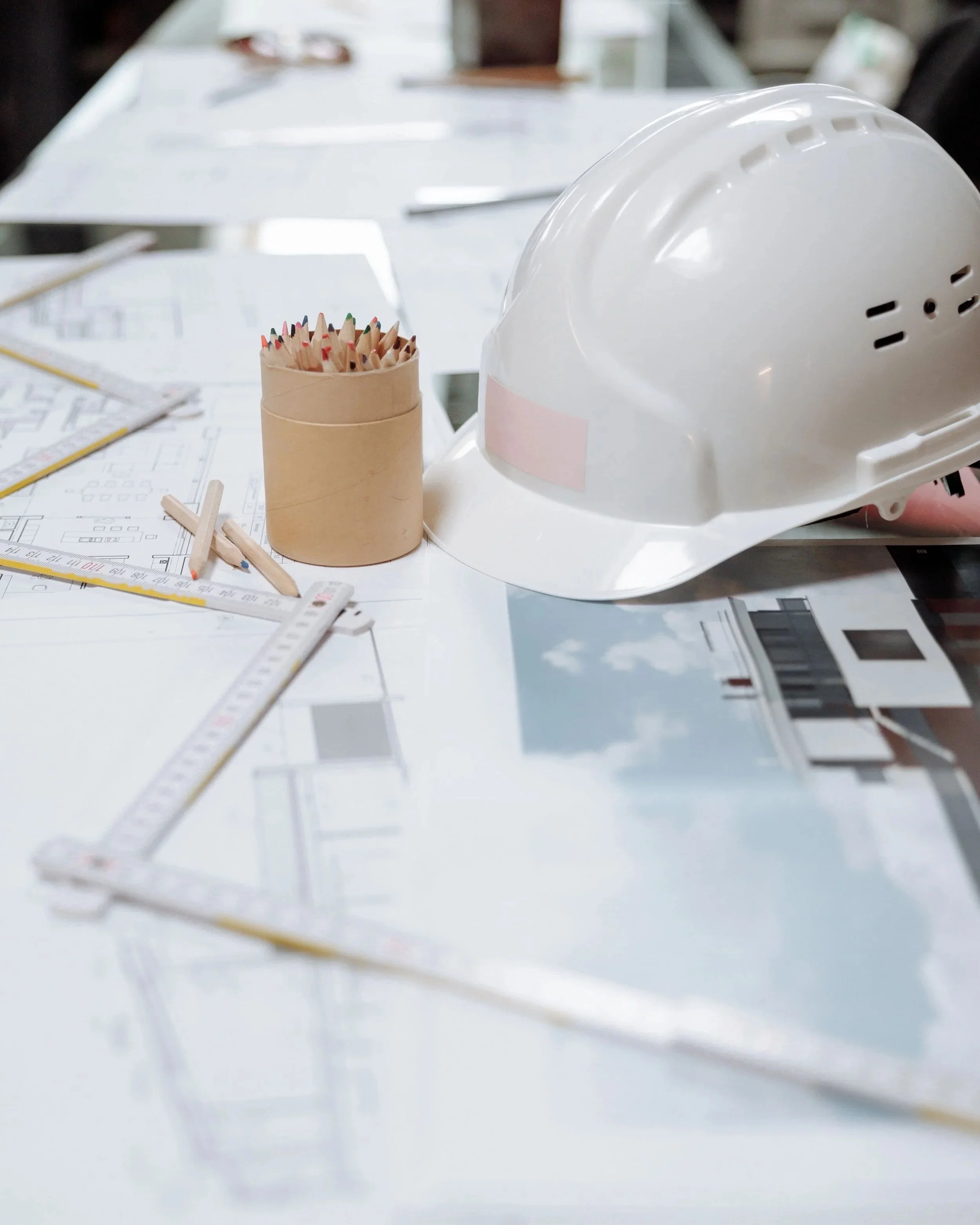
Getting through permitting quickly also depends on the professionals doing the work. They need to be good at their own discipline, but just as importantly, they need to coordinate well with each other and understand what the city actually cares about and what it doesn't.
The goal is to submit exactly what the city needs to review, and nothing more. A team that knows how to be comprehensive without burying the plan checker in unnecessary information is one of the biggest factors in how smoothly a project moves through review.
3. Respond to Corrections
Quickly and Accurately
Plan check corrections happen on every project, without exception. What actually determines how long the approval process takes is how quickly, and how thoroughly, your team responds to them.
People often say permitting took a full year, and blame the city for being slow. But the real question is how long the architect, structural engineer, civil engineer, and Title 24 engineer took to respond to those corrections. Was it six weeks? Was the response thorough? A team that handles corrections fast and gets them right the first time can cut the overall permitting timeline down significantly, regardless of how the city itself is moving.
“A team that handles corrections fast can cut the overall permitting timeline down significantly, regardless of how the city itself is moving.”

4. Bring in an Expeditor
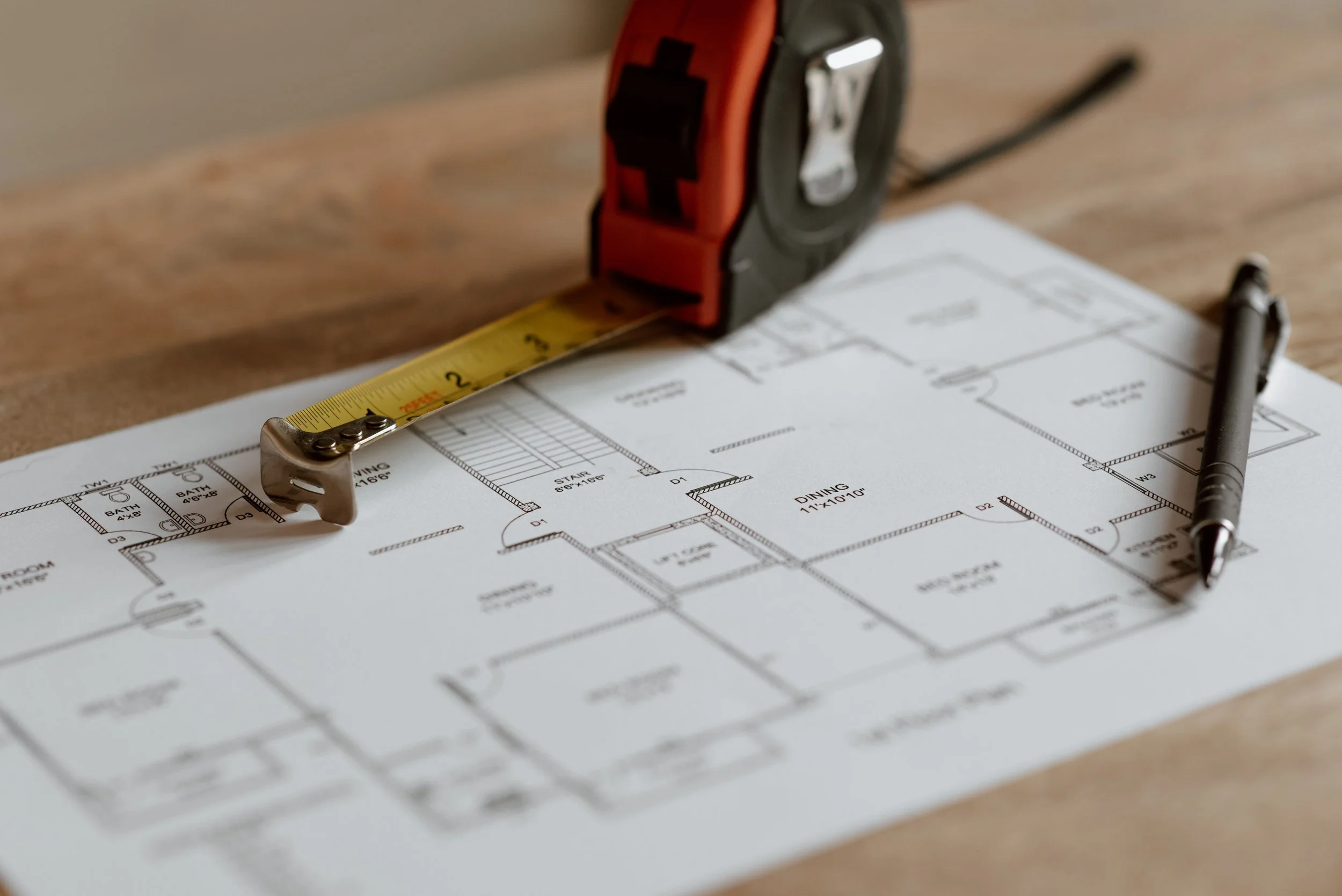
Lastly, we often work with an expeditor — a professional whose entire job is facilitating the approvals process. They know the specific requirements of each city department, which plan checkers are handling what, and how to keep a submittal moving instead of stalling in a queue. Among the many things they do, one of the most valuable is their relationship with the city and with specific plan checkers.
Plan checkers are people, and relationships matter. A good expeditor can get complicated, gray-area questions answered in days instead of weeks, and smooth over small issues before they turn into delays. That kind of access isn't something you build overnight; it comes from years of working the same counters and the same review cycles.
“An expeditor does not secure special treatment; it secures faster answers, and on a permitting timeline, faster answers are worth almost as much as a lenient reviewer.”
Conclusion
A one-month approval is not a matter of luck, nor of drawing a lenient plan checker. It is a function of how much of the process is resolved before a project ever reaches the city: an accurate, well-organized permit set; a coordinated team that understands what the city needs to see; fast and thorough responses to corrections; and, when needed, someone who already knows how to move through the process from the inside. The timeline is rarely dictated by the city. It is set by how much work is done before the city ever sees the project.