
The Psychology of Space
Introduction
Architecture is experienced through movement, light, and proportion. Beyond function, the design of space influences how it feels to occupy and move through it. These qualities are not always immediately visible in drawings, but they define how a building is understood once it is built.
The psychology of space is about how design decisions shape perception, behavior, and experience over time. It is not a separate layer of architecture—it is embedded in every decision, from layout to material to light.
1. Scale and Proportion:
Relating Space to the Body
Scale is one of the most immediate ways people understand space. It determines how a room feels when entered, how comfortable it is to occupy, and how it relates to the human body.
Proportion works alongside scale to establish balance between height, width, and depth. A space can feel compressed, open, intimate, or expansive depending on these relationships. Even small changes in proportion can significantly alter perception.
Good architecture considers scale not as a fixed measurement, but as a relationship between the body and the built environment.
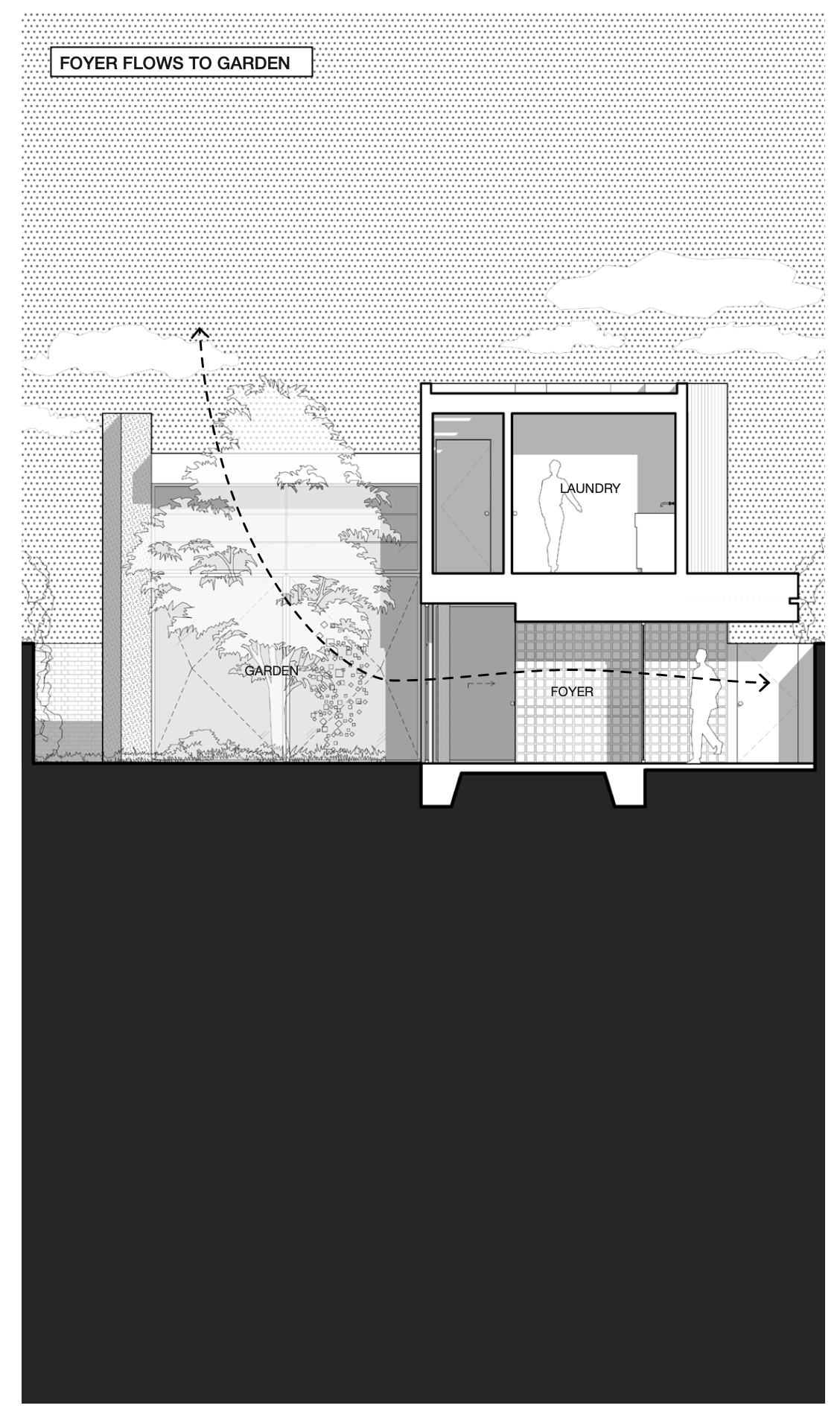
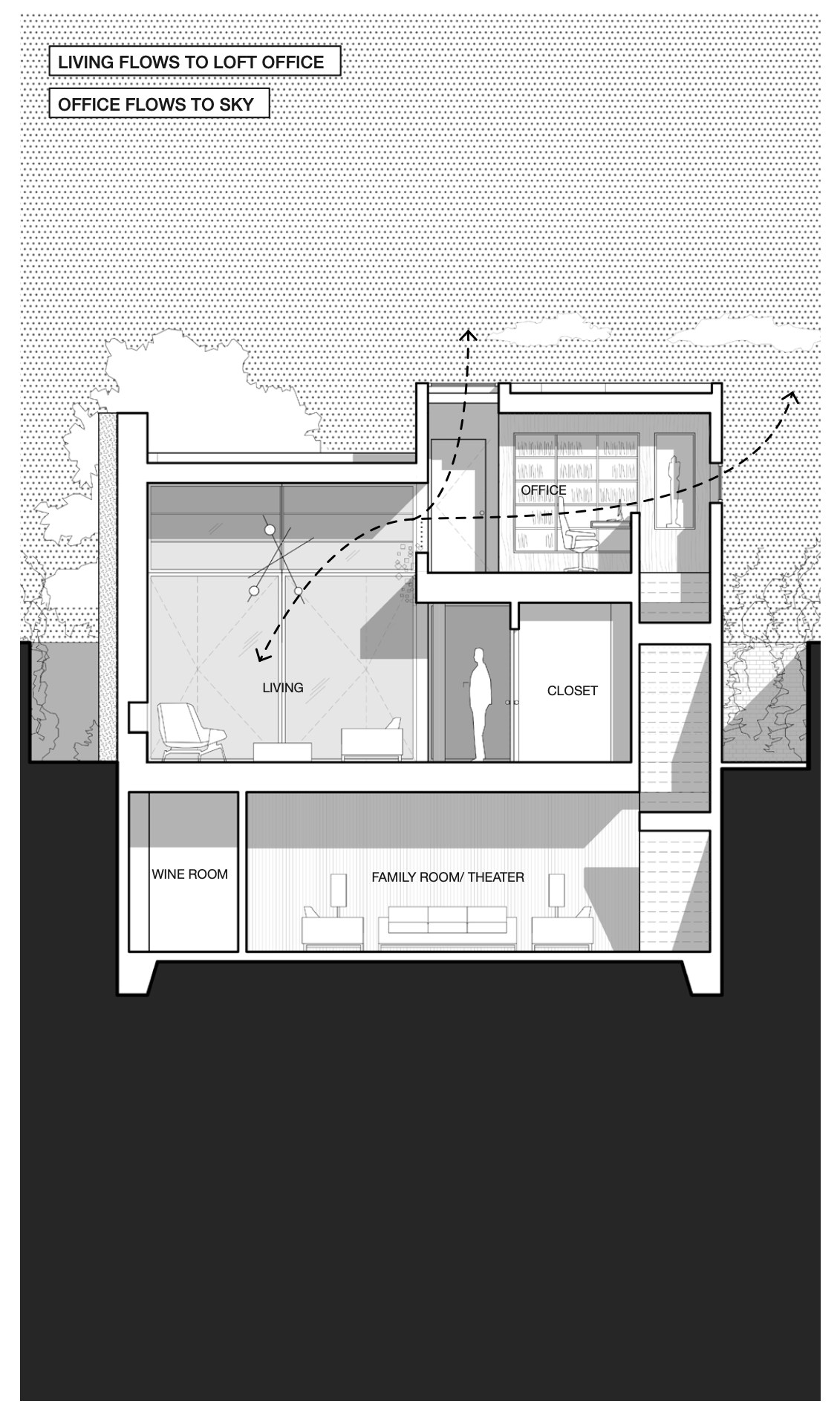
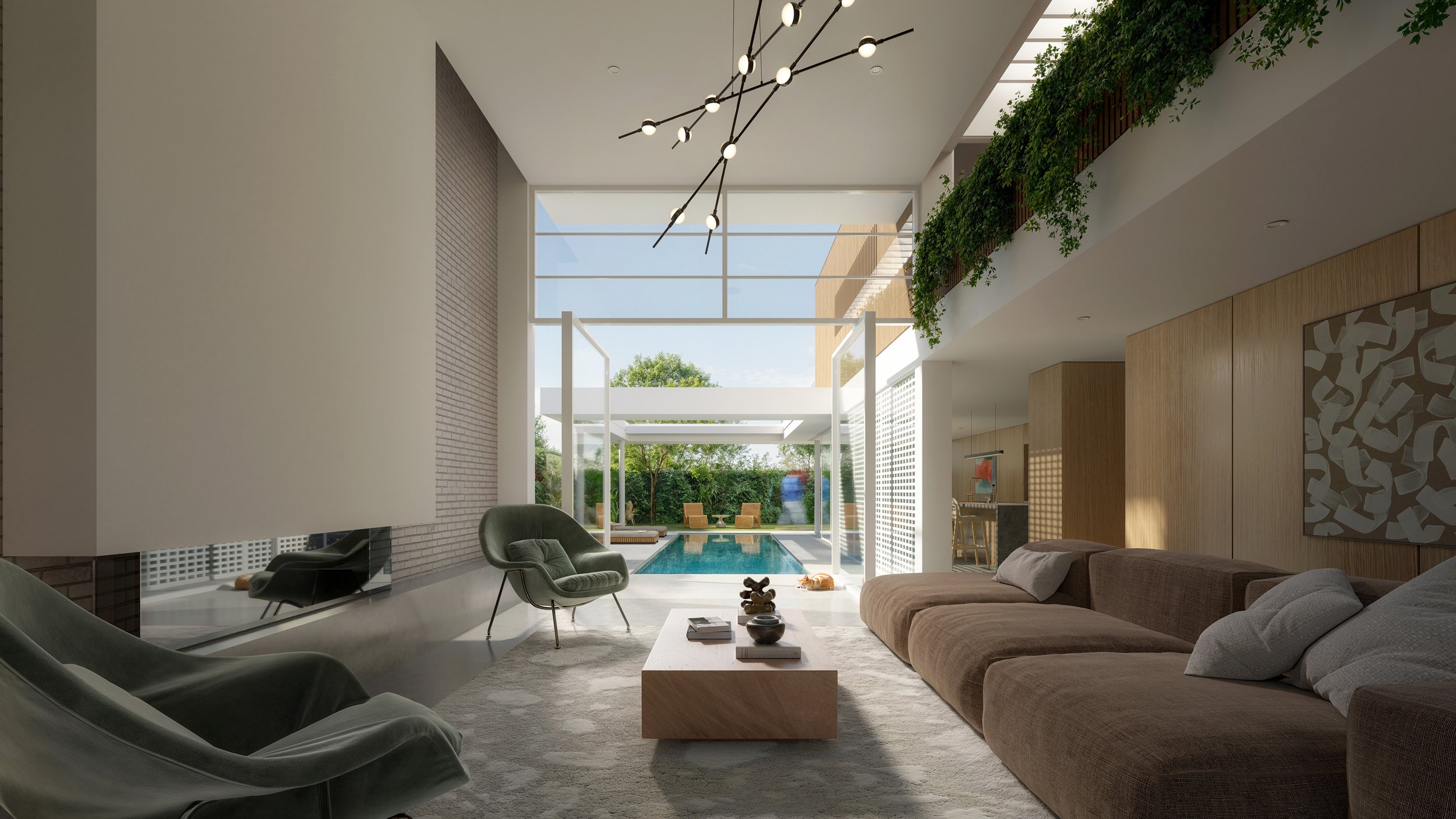
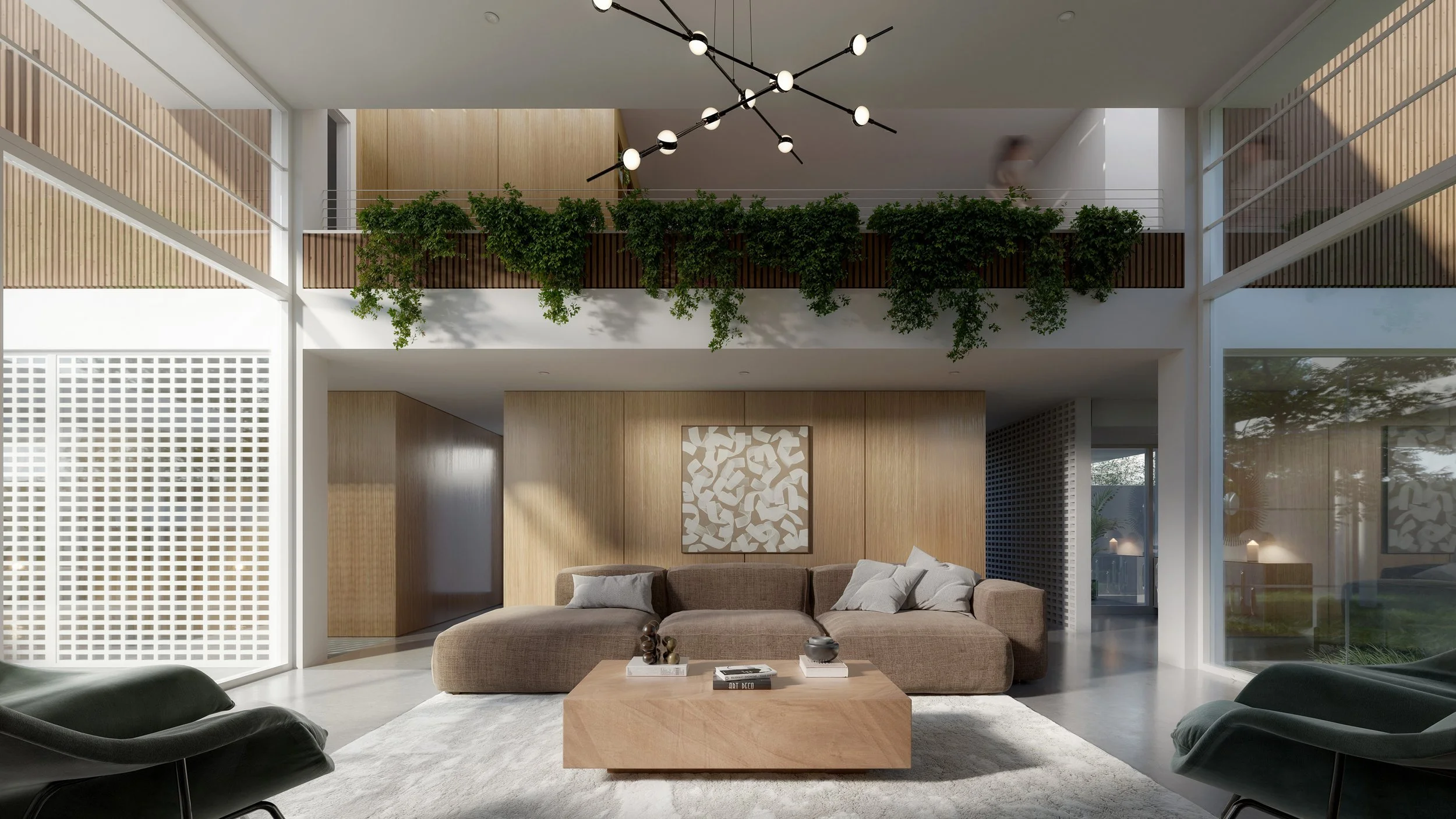
Creating spatial compression and expansion by altering ceiling heights can make a home feel more dynamic and spacious. Contrasting different heights is a useful tool when the zoning imposes building height restrictions.
2. Sequence and Movement:
Designing Through Experience
Architecture is not experienced all at once. It is revealed over time through movement. The way spaces are connected, entered, and transitioned between shapes how a building is understood.
Sequence refers to the order in which spaces are encountered. Movement through a home or building creates moments of compression, release, pause, and arrival. These transitions define rhythm and structure in the experience of space.
Thoughtful sequencing can make even simple layouts feel intentional and layered.
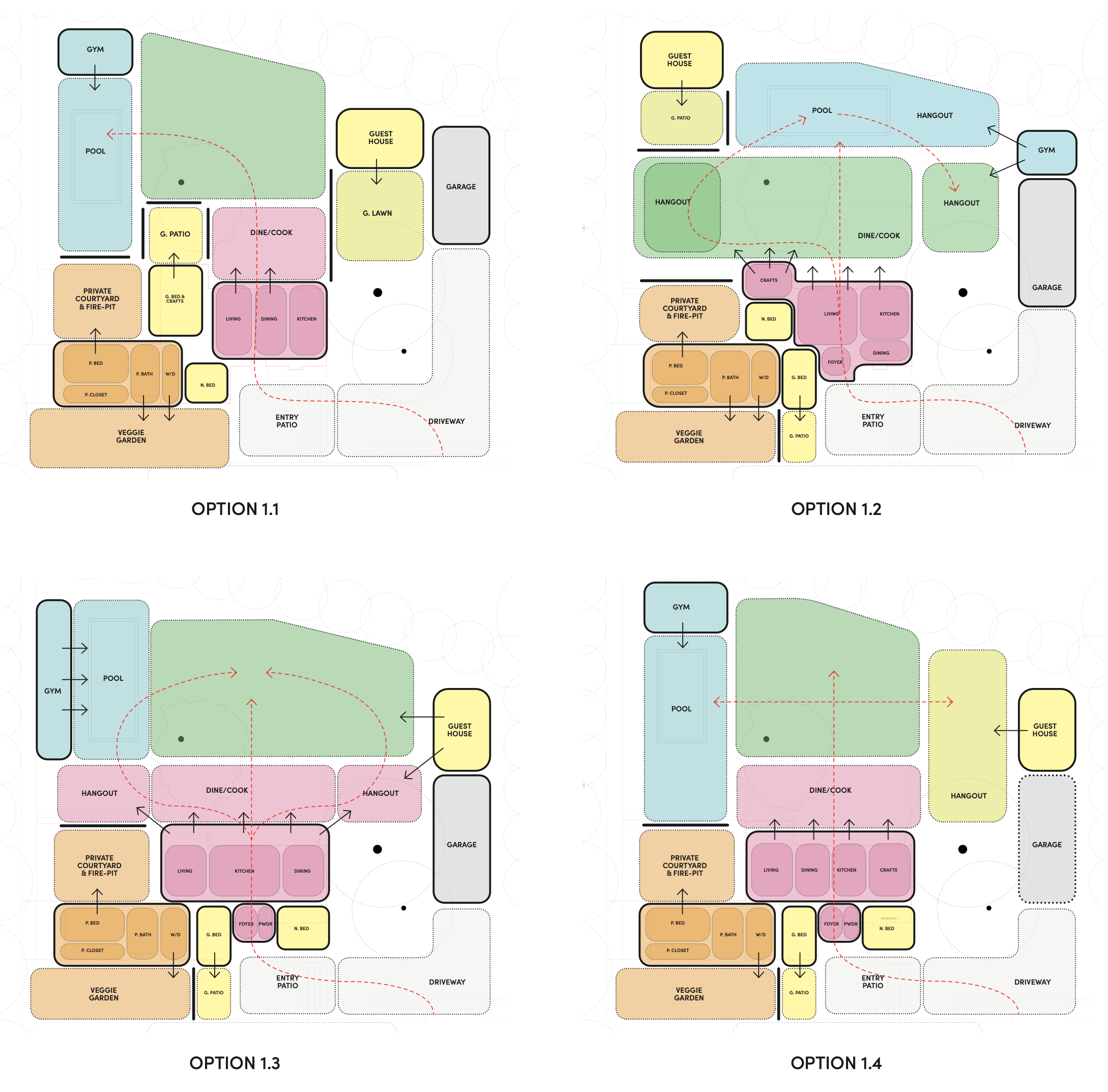
Program and flow studies
“Architecture is experienced as a sequence, not a single moment.”
3. Light and Shadow:
Shaping Atmosphere
Light is one of the most important elements in shaping how a space feels. It defines form, reveals material, and changes throughout the day, giving spaces a sense of time and variation.
Natural light introduces movement into static environments. It can highlight specific areas, soften transitions, or create contrast through shadow. The direction, intensity, and quality of light all influence atmosphere.
Shadow is equally important, providing depth and balance within a space. Together, light and shadow give architecture its character.
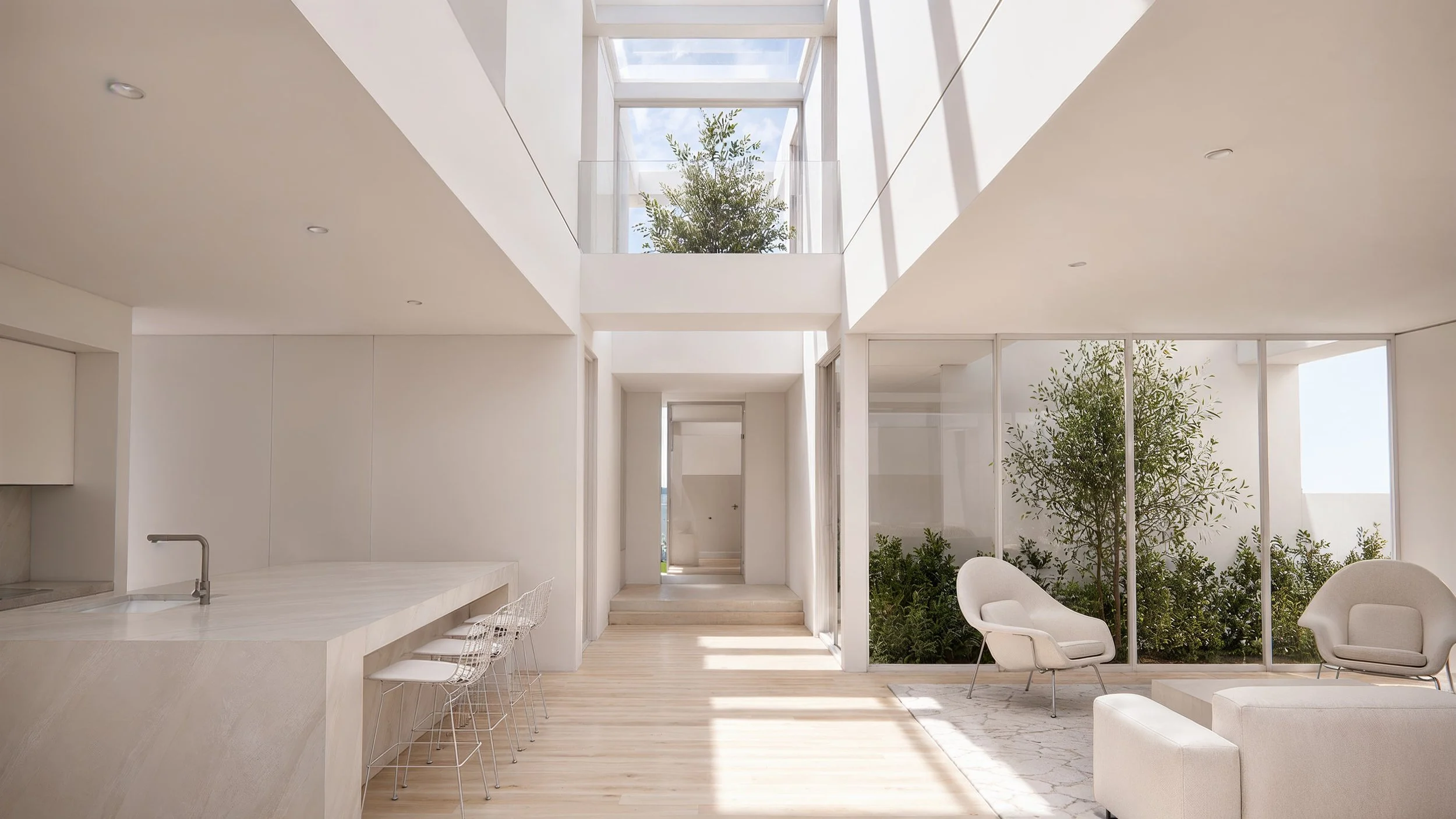
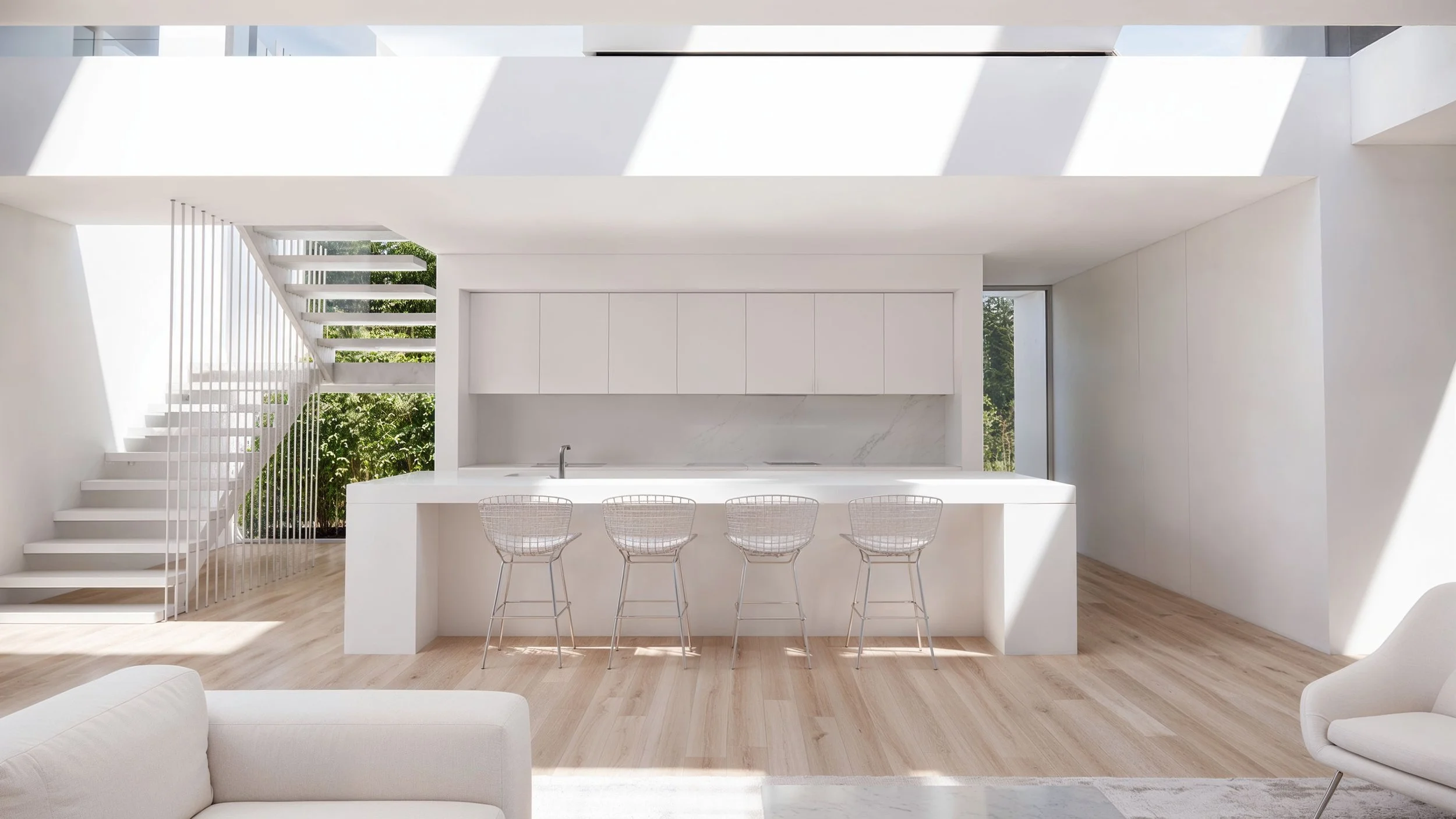

An open primary suite with a wood screen to delineate the bedroom from the bathroom
4. Thresholds and Transitions:
Defining Spatial Boundaries
Thresholds are the points of transition between spaces—doors, corridors, steps, changes in ceiling height, or shifts in material. They are often subtle, but they play a critical role in how space is perceived.
Transitions help structure experience by signaling change. A well-designed threshold can slow movement, create anticipation, or clearly separate different functions within a building.
Without transitions, spaces can feel abrupt or disconnected. With them, movement becomes more intentional and legible.
“Thresholds give structure to how space is entered and experienced.”
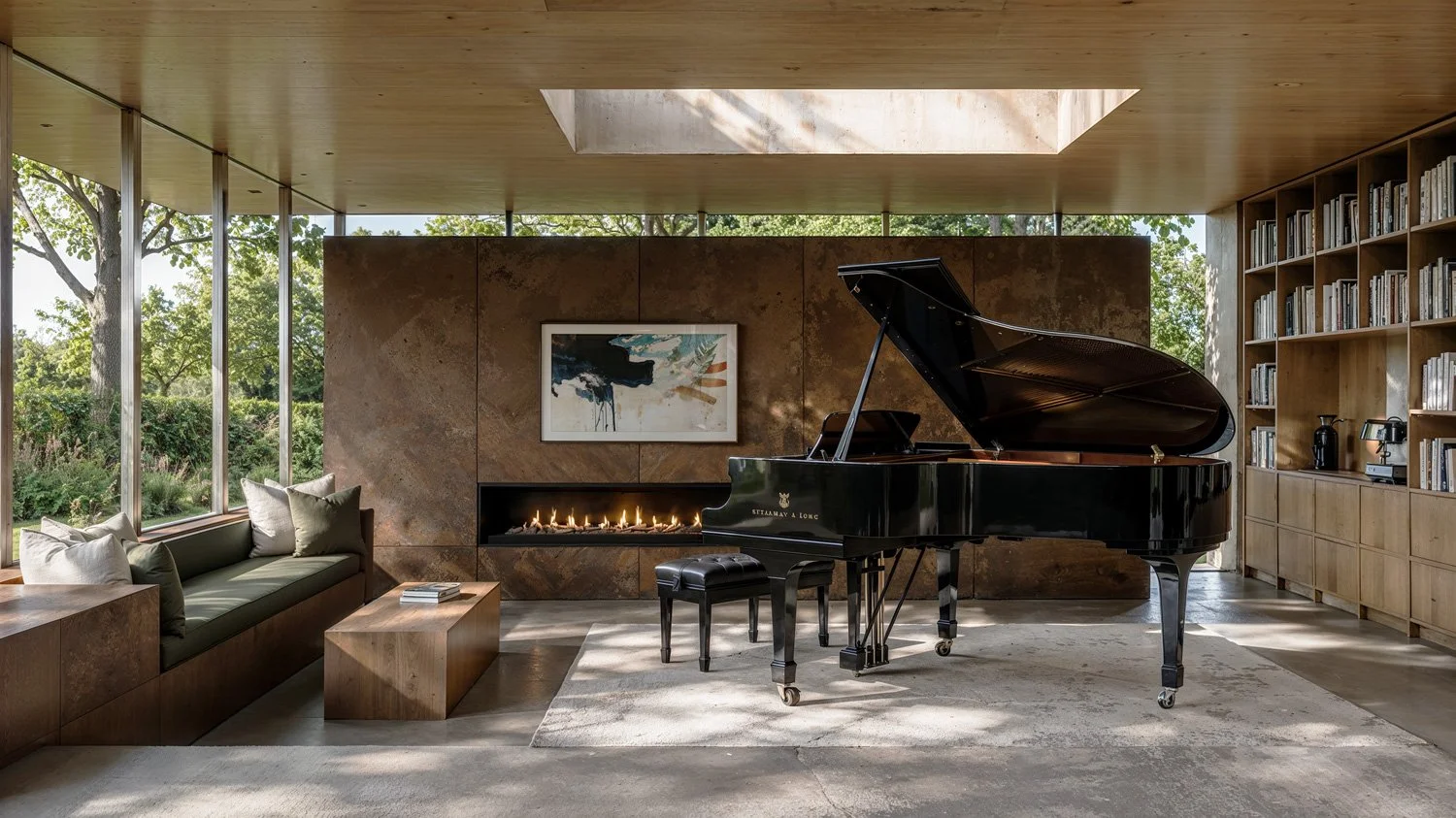
A freestanding wall, short of the ceiling, provides a sense of enclosure and openness simultaneously.
5. Openness and Privacy:
Balancing Exposure and Retreat
A fundamental part of spatial design is balancing openness and privacy. These are not binary conditions but a spectrum that shifts throughout a building.
Open spaces encourage connection, light, and visibility. Private spaces provide retreat, focus, and separation. The relationship between the two defines how a home or building supports different modes of living.
Successful design does not maximize one over the other, but carefully calibrates their relationship.
6. Memory and Perception:
How Spaces Are Experienced Over Time
Spaces are not only understood in the moment—they are remembered. Memory plays a significant role in how architecture is experienced long after initial use.
Certain spatial qualities—light conditions, proportions, transitions, or materials—become more meaningful over time. These elements shape how a building is recalled and how it is emotionally associated with lived experience.
Architecture that is considered successful often has clarity in memory as much as in form.
“Spaces are remembered not for how they look, but for how they felt to occupy.”
Conclusion
The psychology of space is not an abstract idea—it is embedded in every architectural decision. Scale, sequence, light, transitions, and spatial relationships all contribute to how a building is experienced in practice.
Understanding these elements allows architecture to move beyond function and become something that is lived, remembered, and understood through experience over time.