
Aaron Daigen
Senior Technology Advisor at DSI Luxury Technology
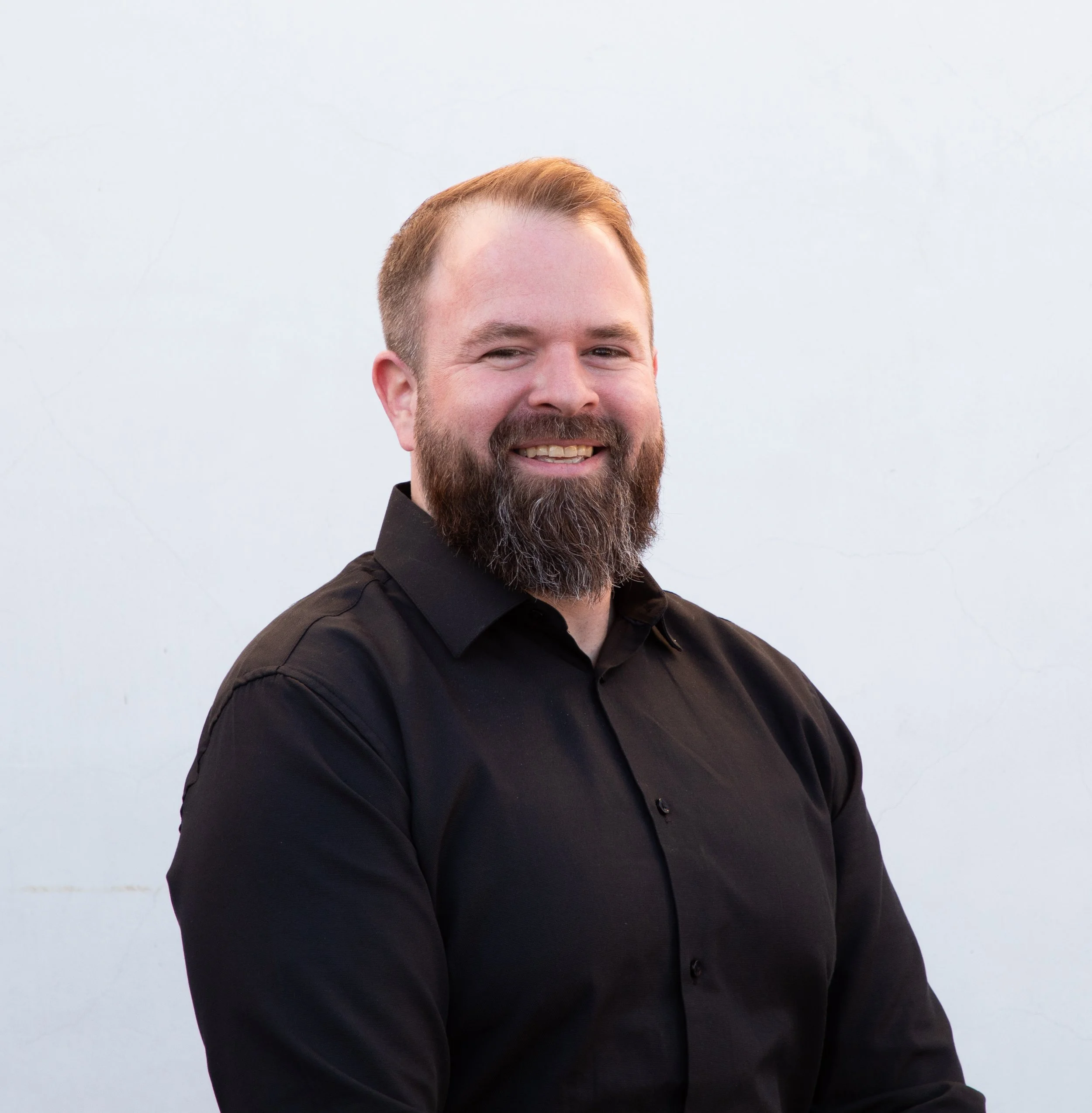
Aaron Daigen
FAME: What led you to work in smart residential technology, and what do you enjoy most about your role as Senior Technology Advisor at DSI?
AD: I’ve been fascinated by technology since I was a kid. When I was about 12, I started taking apart my parents’ desktop computer just to see how it worked, then putting it back together again. That early curiosity turned into a real passion for how we interact with technology and how it can improve daily life. I'm especially interested in the user interfaces that control these systems and how they can either elevate or frustrate the experience. At DSI, I get to be part of a team that makes sure the technology supports the architecture, not competes with it. I love the collaborative process of working with top architects, builders, and designers to make complex systems feel simple, intuitive, and beautifully integrated.
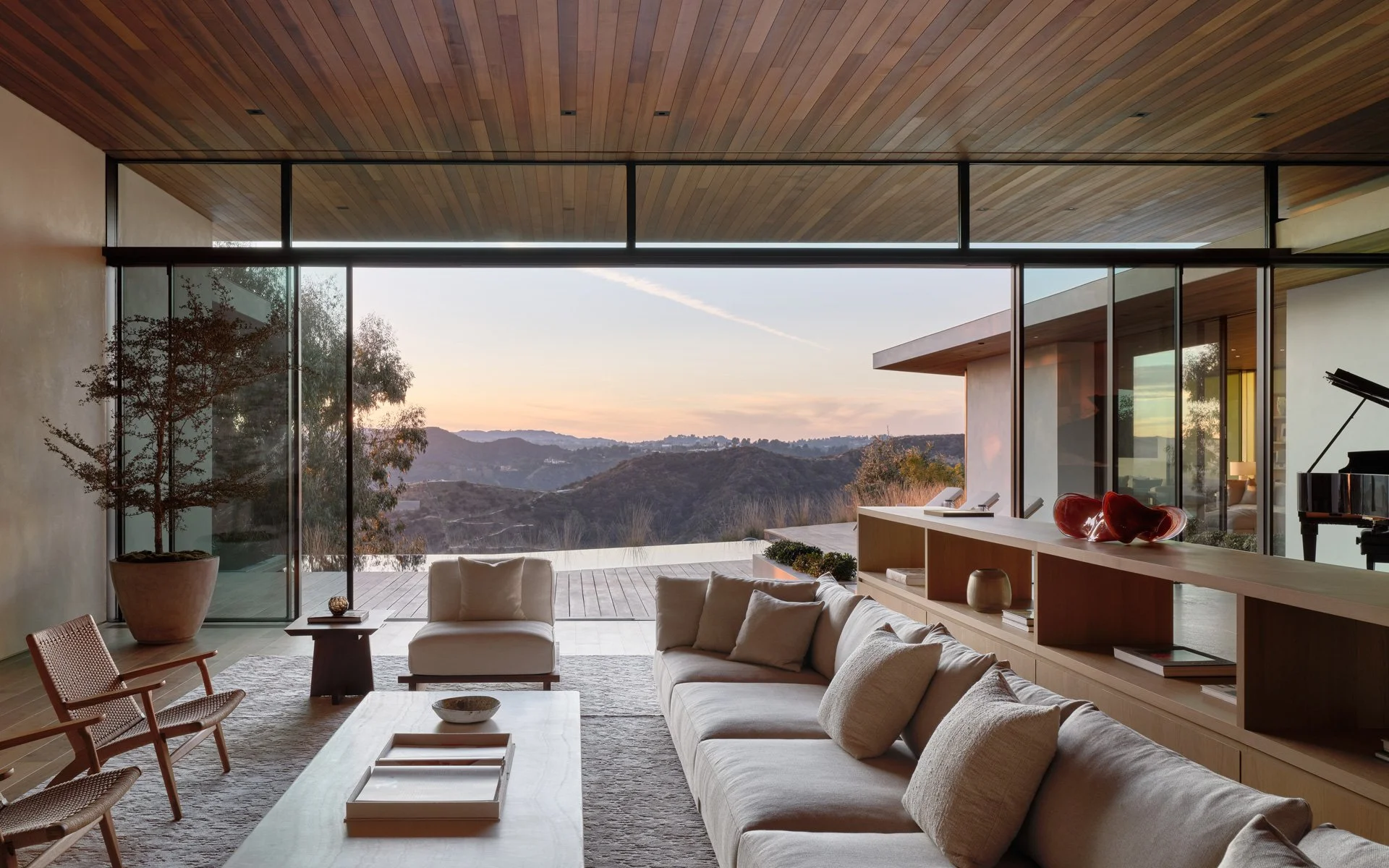
Carla Ridge Bedroom
FAME: How do you describe DSI’s approach to technology integration for architects and designers new to the firm?
AD: We take a design-first approach. That means we never start with product specs or gear. We begin by asking how technology can serve the architecture and lifestyle. Our process centers around something we call the Design Service Agreement (DSA). It’s our way of creating clarity early. We deliver technical drawings, elevations, equipment schedules, and coordination details that designers and architects can actually build from.
One of the biggest issues in our industry is timing. Too often, technology planning doesn’t begin until the electrician is already on site pulling wire. At that point, the homeowner is usually comparing five very different bids, each with different gear, user experiences, and assumptions. It's confusing, rushed, and completely reactive. No one would ask a plumber to bid a job without a set of plans, yet that’s still the standard with low-voltage trades. We're working to change that.
With our DSA, we start much earlier in the process. We sit down with the client and really listen. Do they want hidden speakers, or do they want them to be part of the interior design? Are they looking for simple control from one app, or do they want every subsystem managed independently? Do they entertain often? Travel frequently? Care about energy management? We take all of that into account and help translate their goals into a system that’s technically sound and easy to live with.
By aligning the client’s expectations with the design vision from the beginning, we avoid surprises, change orders, and last-minute compromises. It’s a more thoughtful, more collaborative way to approach technology—and it leads to a better result for everyone.
“By aligning the client’s expectations with the design vision from the beginning, we avoid surprises, change orders, and last-minute compromises.”
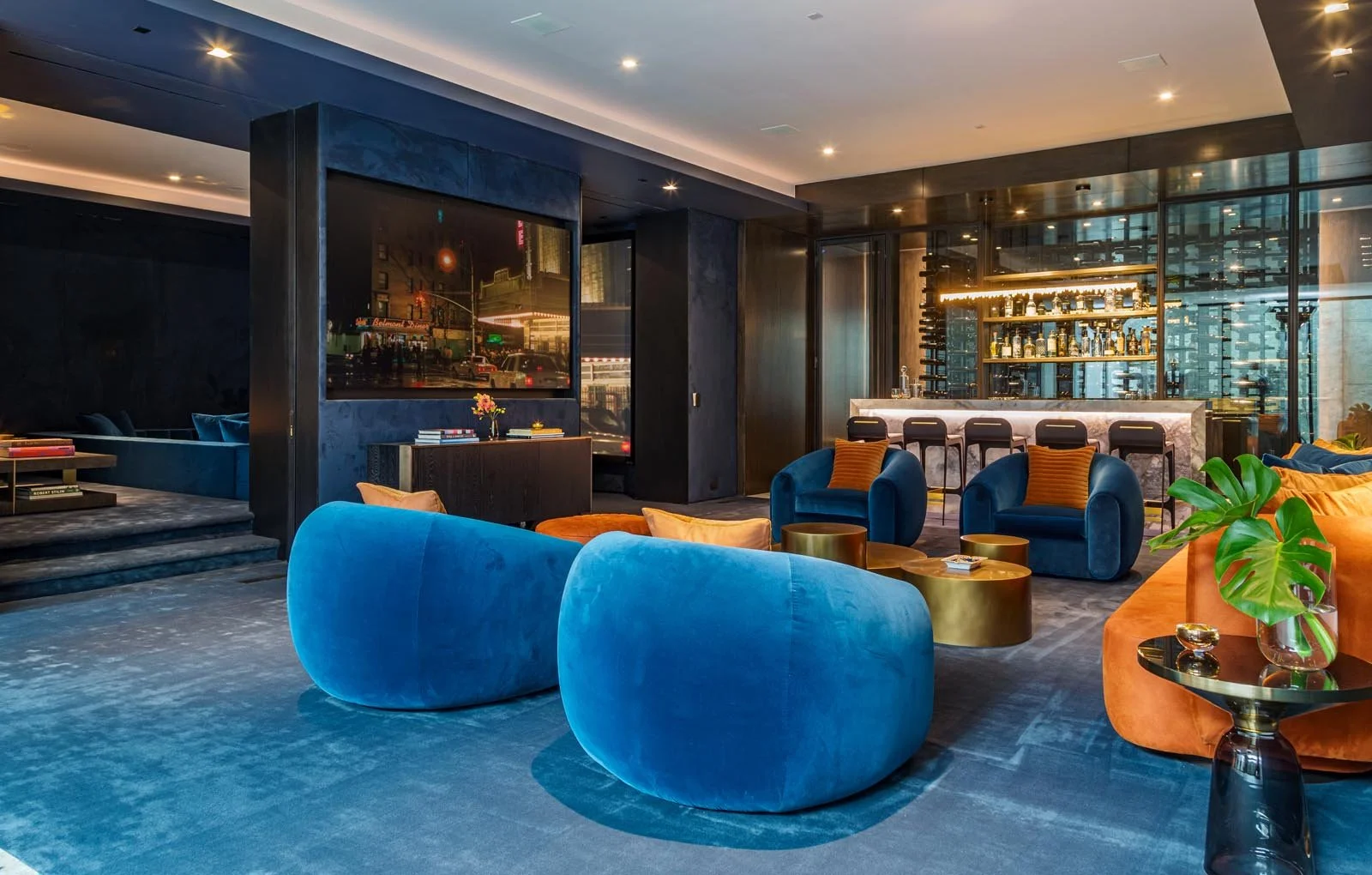
514 Chalette
FAME: What role do you think technology should play in a well-designed home?
AD: Technology should serve the space, not dominate it. It should feel natural, and invisible, and support the rhythms of daily life. Whether that’s lighting that adjusts throughout the day, shades that respond to sunlight, or music that flows from room to room without visible speakers, it should all feel intuitive. In a well-designed home, technology supports comfort, security, and beauty.
“Technology should serve the space, not dominate it.”
FAME: When is the best time to begin conversations about technology integration during the design process?
AD: As early as possible. Ideally, we’re brought in during schematic design, alongside the architect, lighting designer, and MEP consultants. That gives us the opportunity to coordinate infrastructure, ensure alignment with lighting and electrical plans, and avoid costly surprises or last-minute compromises.
One of the biggest challenges in our industry is that technology is often brought in too late. By then, framing is complete, ceilings are packed, and major coordination opportunities have been missed. You would never ask a structural engineer to review a project after the foundation has been poured. The same thinking should apply to technology.
When we’re engaged early, we can provide clean solutions, integrate seamlessly with the design, and make sure the systems enhance the space rather than disrupt it. It also means fewer change orders, smoother construction, and a better client experience.
FAME: How do you help ensure technology feels intuitive rather than overwhelming for homeowners?
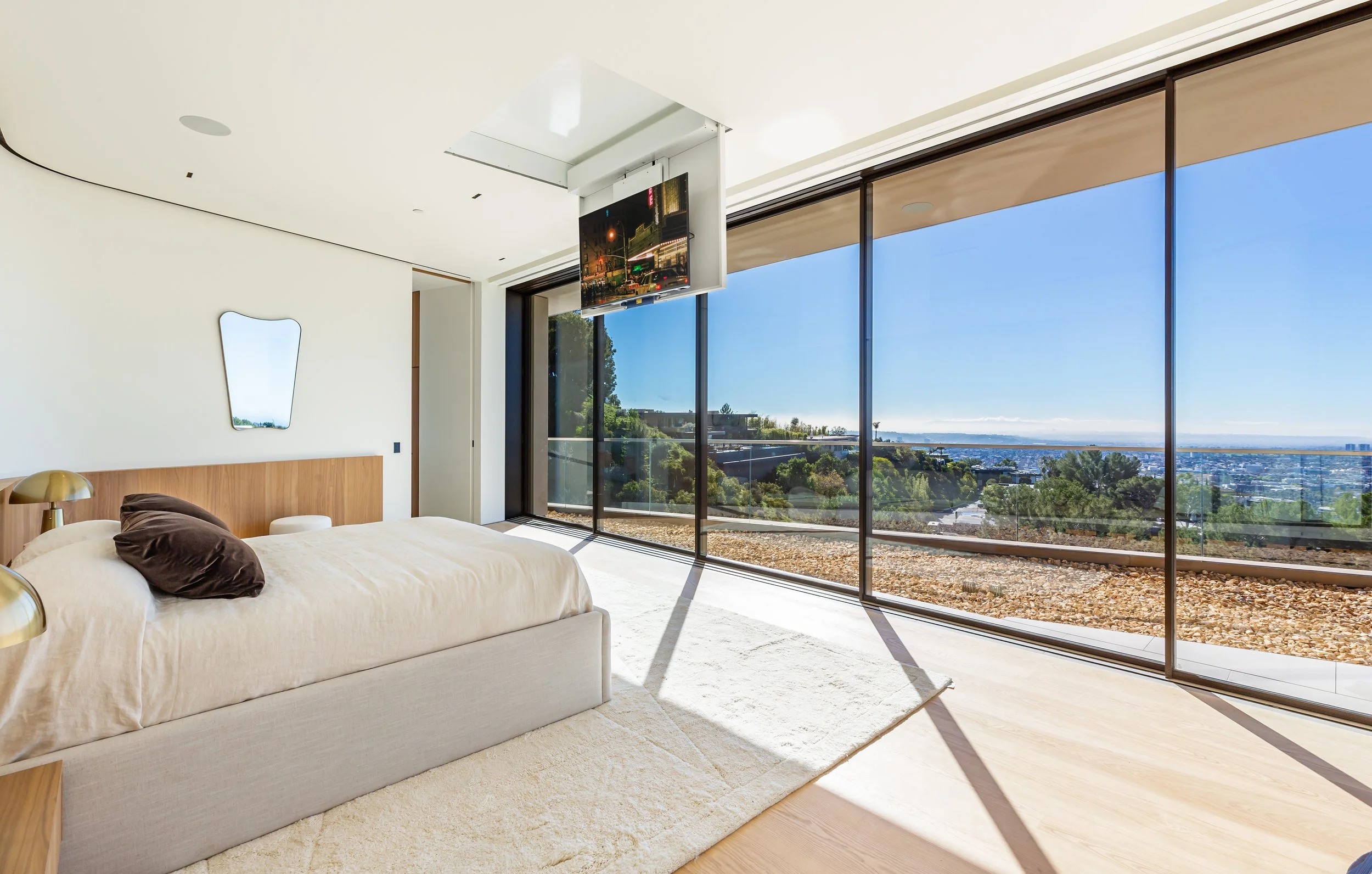
1680 North Doheny
“An intuitive system is one the client doesn’t have to think about. That’s always the goal. ”
AD: We start by learning how the client lives: their routines, how they entertain, what has frustrated them about past systems, and what “smart home” means to them personally. Some clients want full control from their phone while traveling. Others prefer simple, labeled wall keypads. Some want automation while others want everything straightforward. Every design decision starts with those conversations.
From there, we focus on building an experience, not just a system. That means using one app, one interface, and one clear logic throughout the house. When someone walks into a room, the controls work exactly as expected. A single “Movie” button might dim the lights, close the shades, and start the projector. An “Away” button might turn off the music, adjust the climate, and secure the property.
We also put time into customizing the interface itself. We organize rooms clearly, remove unnecessary menus, and ensure everything matches the way the client actually uses their home. This isn’t about showing off every feature. It’s about making the system feel invisible, natural, and easy.
And when it comes time to turn things over, we make it simple. Everything is programmed and tested before installation, so it works on day one. We walk the homeowner through it in person, offer cheat sheets or walkthrough videos if needed, and train staff or house managers as well.
An intuitive system is one the client doesn’t have to think about. That’s always the goal.
FAME: What have you learned from projects where technology and design were particularly well integrated?
AD: Great results happen when there’s mutual respect among the trades. When architects, designers, and integrators are in sync, the technology disappears and the architecture shines. I’ve seen homes where the lighting control keypads were finished in custom metals to match the millwork, or mirror TVs blended into stone walls. Those kinds of results don’t happen by accident. They happen when everyone is aligned early and communicating well.
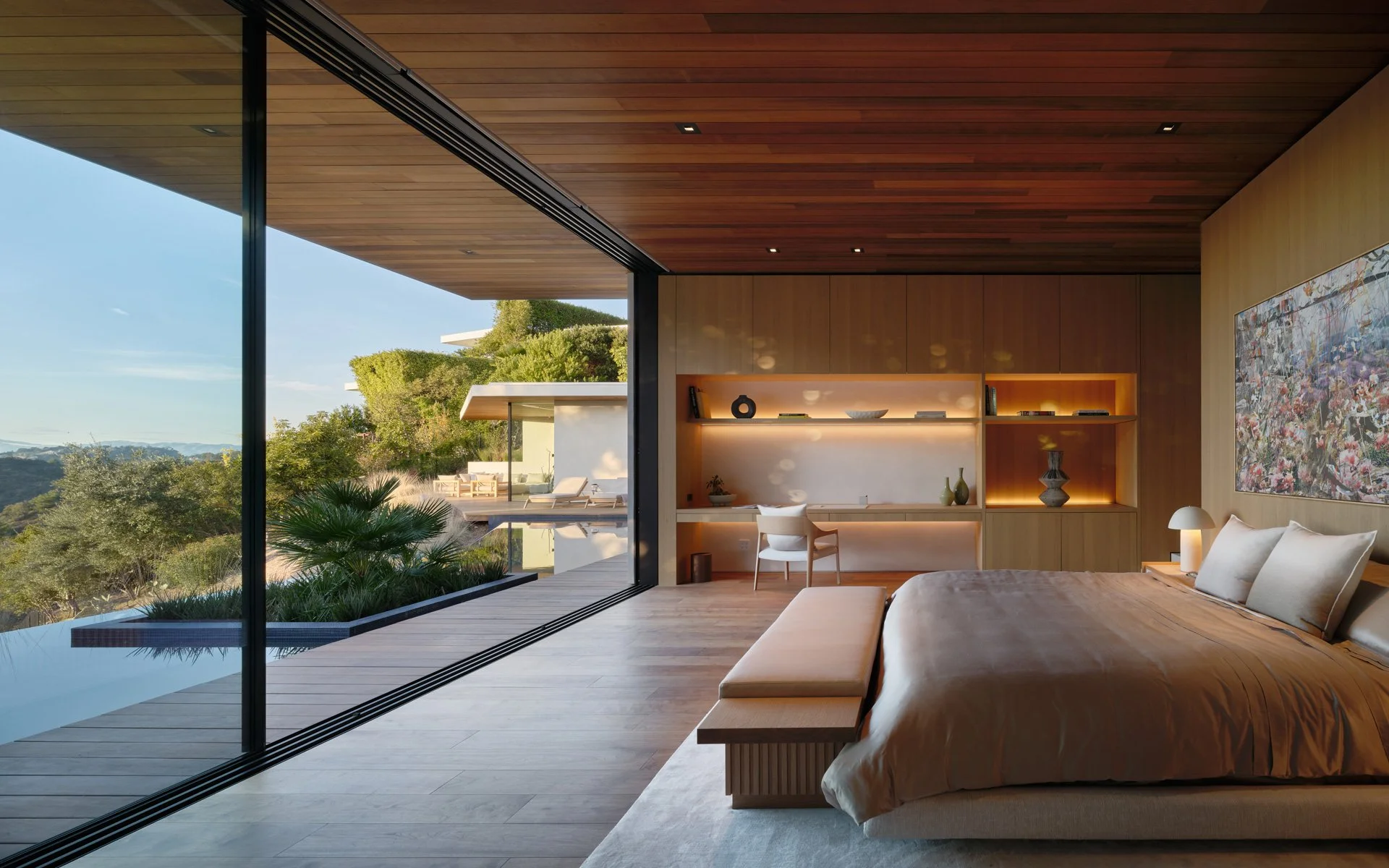
Carla Ridge Bedroom
FAME: What’s a common misalignment you see between client expectations and the reality of implementing home tech, and how do you navigate that?
AD: Budgets and timelines are the most common disconnect. Clients often underestimate what it takes to do this well. We help by educating them early, showing different levels of performance and design, and offering tools like the HTA Budget Estimator to give realistic numbers. It’s about setting expectations early so there are no surprises later.
“It’s about setting expectations early so there are no surprises later. ”
FAME: What’s one aspect of integrated home technology you wish more designers or clients understood earlier in the process?
AD: That coordination is everything. Technology touches every part of the house like electrical, lighting, HVAC, millwork, glazing. It’s not just plugging in boxes. If we can plan early, we can preserve the clean lines and beautiful finishes that everyone wants. But that only happens with good coordination.
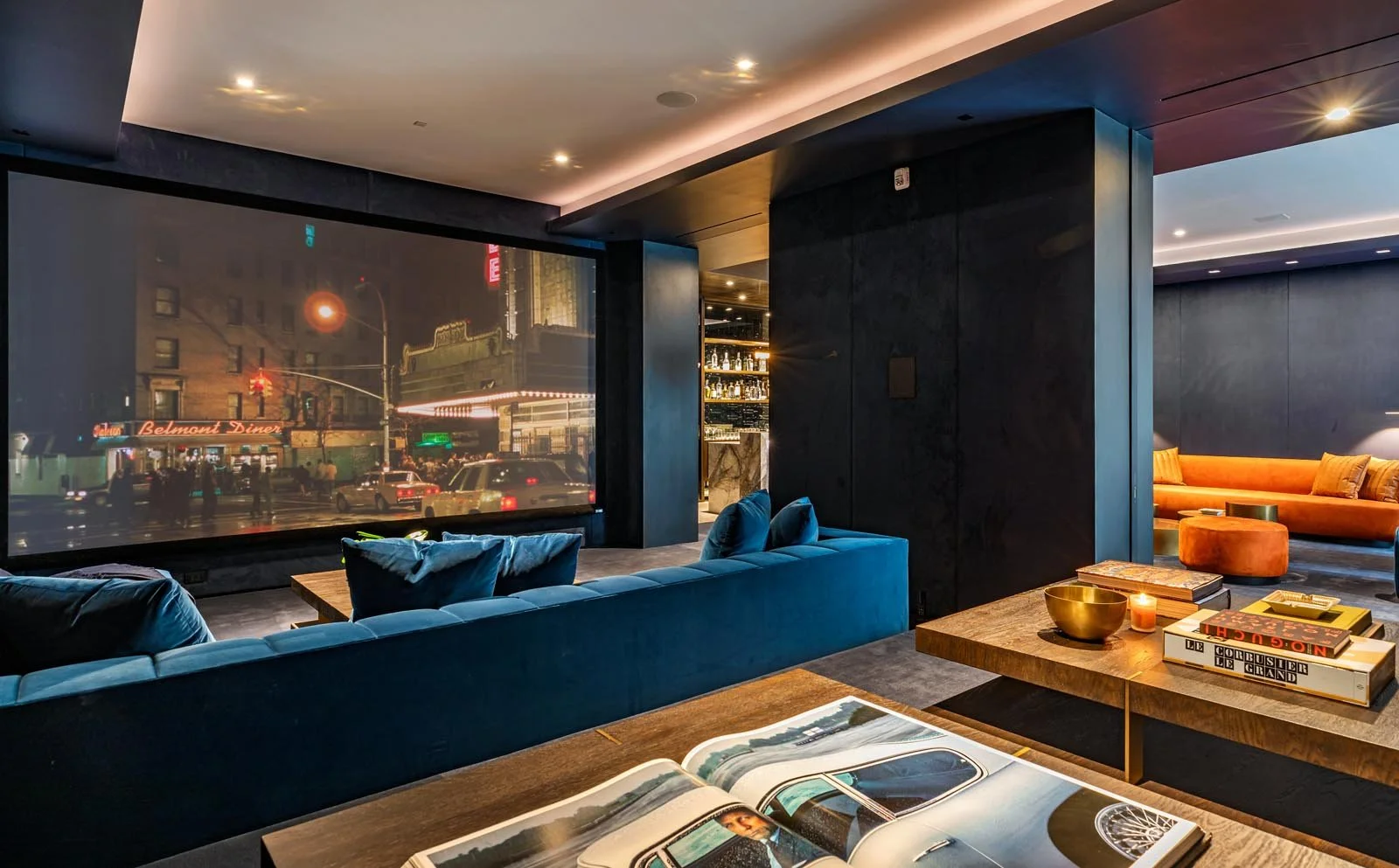
514 Chalette 072
FAME: How do you balance present needs with future-proofing when advising on technology for custom homes?
We design for both today and tomorrow. That starts with infrastructure. We’ll often oversize the rack, run extra conduit pathways, and specify more structured wiring than is immediately needed. This gives the homeowner flexibility to expand or upgrade their system later without tearing open walls or starting from scratch.
But future-proofing is not just about cabling. It’s about planning for longevity. We engineer every system so it can be supported by our service department for years to come. That means we’re not experimenting with brand-new startups or one-off devices that might disappear in a year or two. We work with the most established and reliable manufacturers in the industry. We know their roadmaps, their firmware cycles, and how their products evolve. That gives us confidence in the upgrade path and allows us to deliver a consistent experience over time.
Ultimately, our goal is that five or ten years from now, the client still feels like their home is modern, functional, and aligned with how they live. Not obsolete. That’s why we build with service, scalability, and stability in mind from day one.
“Our goal is that five or ten years from now, the client still feels like their home is modern, functional, and aligned with how they live. Not obsolete. That’s why we build with service, scalability, and stability in mind from day one. ”
FAME: What excites you most about where smart home technology is headed?
I’m especially excited about how technology is becoming more personalized, more sustainable, and more human. We’re moving past the phase where “smart home” just meant controlling things from your phone. Now it’s about the home adapting to you, learning your patterns, anticipating your needs, and making life easier without you having to think about it.
Lighting is a perfect example. We’re seeing a huge shift toward tunable lighting that changes throughout the day to match your circadian rhythm. It’s not just about turning lights on and off anymore. It’s about supporting your health, your mood, and the way you move through a space. And when lighting is done right, you don’t even notice it. It just feels better.
Energy is another big one. With more clients looking for resiliency and sustainability, we’re integrating whole-home battery systems that keep essential systems online during outages and give homeowners real insight into how their energy is being used. Paired with solar and intelligent automation, this is where homes start becoming self-aware in the best way possible.
And then there’s AI. I don’t mean just smart speakers answering trivia questions. I’m talking about real conversational interaction with your home. Imagine walking in and saying “It’s movie night,” and the system knows to lower the shades, cue up the projector, dim the lights just the way you like, and start your playlist. Or saying “Goodnight,” and the house locks up, turns off the music, adjusts the temperature, and arms the security system without a single app or remote.
That kind of seamless, personalized interaction is where things are headed.
“I’m especially excited about how technology is becoming more personalized, more sustainable, and more human.”